
The school bell rings. Children rush to catch their bus. The driver starts the engine, checks the time, and presses the accelerator. Another day begins.
But for too many families, that ordinary morning turns into a nightmare.
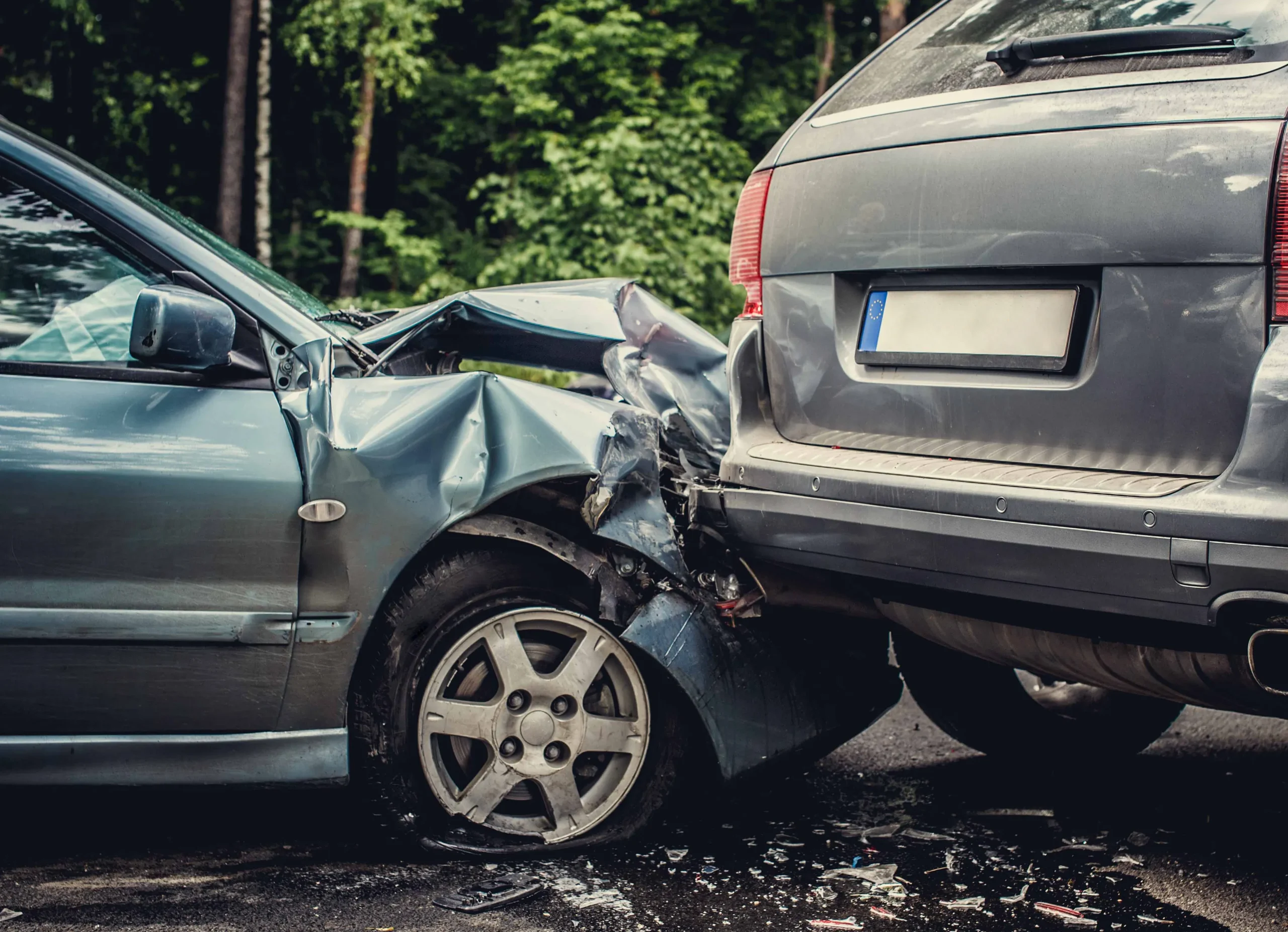
According to the latest Ministry of Road Transport and Highways report, over-speeding remains the single largest cause of road fatalities in India, accounting for nearly 68% of all crashes. While these statistics cover all vehicles, the most vulnerable passengers — our children — are riding in vehicles that routinely break speed limits.
The Speed Limit That Exists Only on Paper
The Supreme Court of India has mandated clear speed restrictions for school transport:
- 40 km/h for school buses
- 25 km/h in school zones
Yet, a 2025 survey revealed a disturbing truth: over 60% of school vehicles exceed these limits during peak hours. Why? Because drivers are rushing to complete multiple trips, beat traffic, and meet tight schedules.
In Delhi alone, over 150 accidents involving public and school-related transport were recorded in the 2024-25 session. The primary causes? Over-speeding and lane-jumping.
What Happens When a School Bus Overspeeds?
A bus is not a car. It’s heavier, takes longer to stop, and carries dozens of children who aren’t secured by seatbelts (most school buses in India don’t have them). At higher speeds:
- Stopping distance increases dramatically
- The risk of rollover multiplies
- Driver control reduces significantly
- Injuries in case of collision become severe
The Speed Governor Myth
You might think: “But school buses have speed governors installed. They can’t overspeed.”
Here’s the hard truth — speed governors exist, but they are rarely monitored. A speed governor is a device. Without monitoring, it’s just a box. Drivers can tamper with them. Schools rarely check them. Parents never see them.
What Needs to Change?
- Real-time monitoring, not just installation — A speed governor must be connected to a live dashboard that alerts school administrators the moment the limit is crossed.
- Parent visibility — Parents should be able to see if the bus carrying their child is overspeeding, right from their phone.
- Accountability — Drivers who repeatedly overspeed should face consequences. Data doesn’t lie.
How Class Cabs Solves This
Class Cabs transforms speed monitoring from a “trust-based” system to a “technology-enforced” one:
- Live speed tracking dashboard for school admin
- Instant auto alerts when driver exceeds 40 km/h
- Parent notifications on unsafe driving
- Data analytics on driver performance and route safety
Conclusion
A child’s journey to school should not be the most dangerous part of their day. Over-speeding is preventable. Fatalities are preventable. But only if we replace hope with technology, and trust with verification.
The next time you see a school bus speeding, remember: inside that bus is someone’s child. And 68% is not just a statistic — it’s a warning we can no longer ignore.